
 $169
$169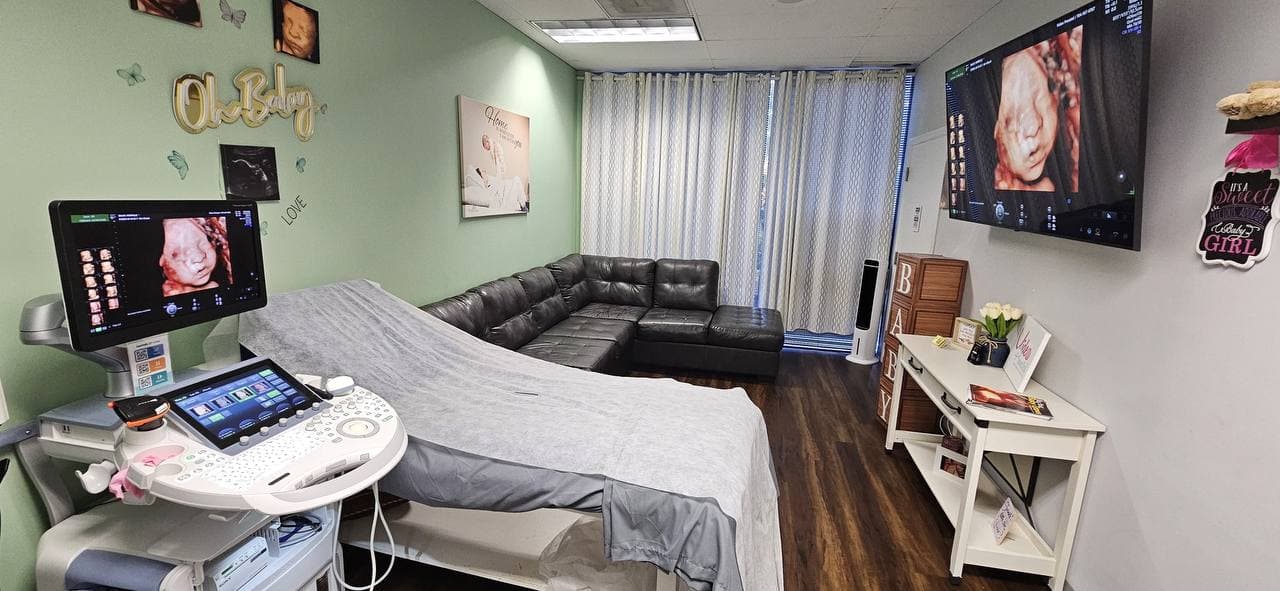 9 min
9 minElective vs Medical Ultrasound: Clearing Up the Confusion
Elective vs medical ultrasound: what each one is for, why keepsake sessions never replace your anatomy scan, and how to use both with confidence.
By the Video Prenatal team · September 19, 2026 · 4 min read
Our ultrasounds are elective, non-diagnostic, and performed solely for keepsake and peace of mind purposes. They are not a substitute for a medical ultrasound from your healthcare provider.
Many parents ask us some version of the same question: if I come to your studio, do I still need my ultrasound at the doctor's office? The answer is always yes. Understanding elective vs medical ultrasound helps you use both in the right way and avoid a common and important misunderstanding.
In this article we explain what each type of scan is for, what an elective session can and cannot do, and why your provider's care always comes first.
What a Medical Ultrasound Is For
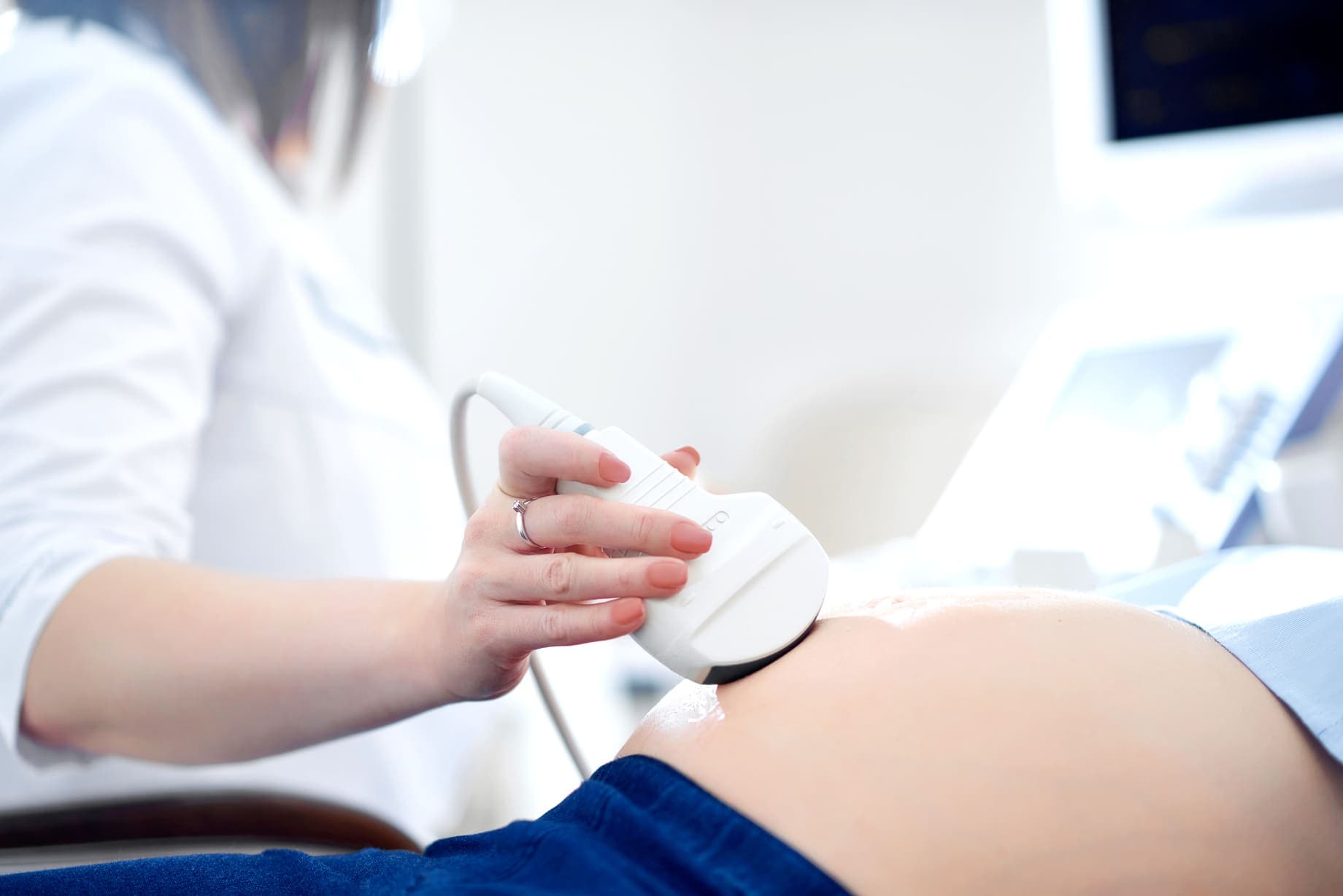
A medical ultrasound is ordered by your OB or midwife as part of your prenatal care. Its purpose is clinical: to check your baby's health, growth and development, and to look at things like the placenta and amniotic fluid. The images are read and interpreted by trained medical professionals.
The medical anatomy scan, typically done around 18 to 22 weeks, is one of the most important of these. It is a detailed look at your baby's development, and no elective session replaces it. Medical ultrasounds may be covered by insurance depending on your plan, which your provider's office can explain.
What an Elective Ultrasound Is For
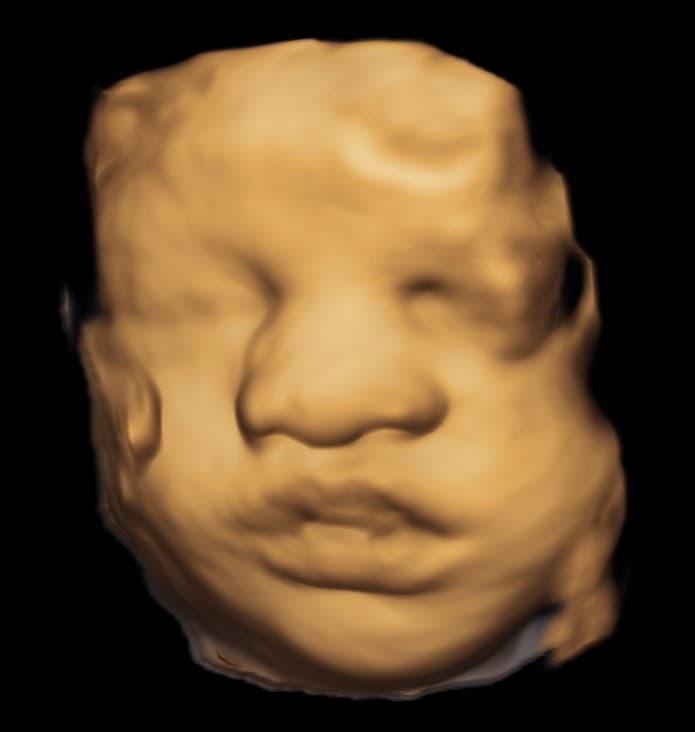
An elective ultrasound, like the sessions at Video Prenatal, is a keepsake and peace of mind experience. It is non-diagnostic, it is not a substitute for medical ultrasound, and it is not covered by Medicaid or insurance. You choose it because you want to see your baby's face, hear the heartbeat, find out or confirm boy or girl, and share the moment with the people you love.
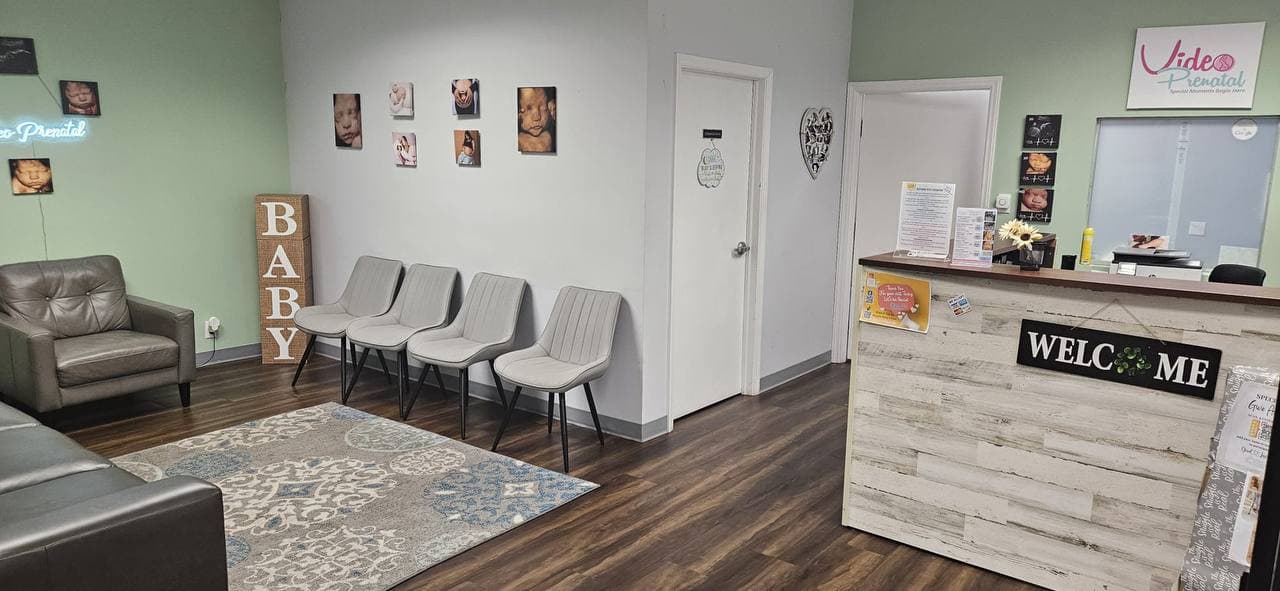
Our sessions are about connection. Family and friends are welcome, with seating for up to 8 guests, and you leave with pictures and videos, which you can easily access through the Bomee app.
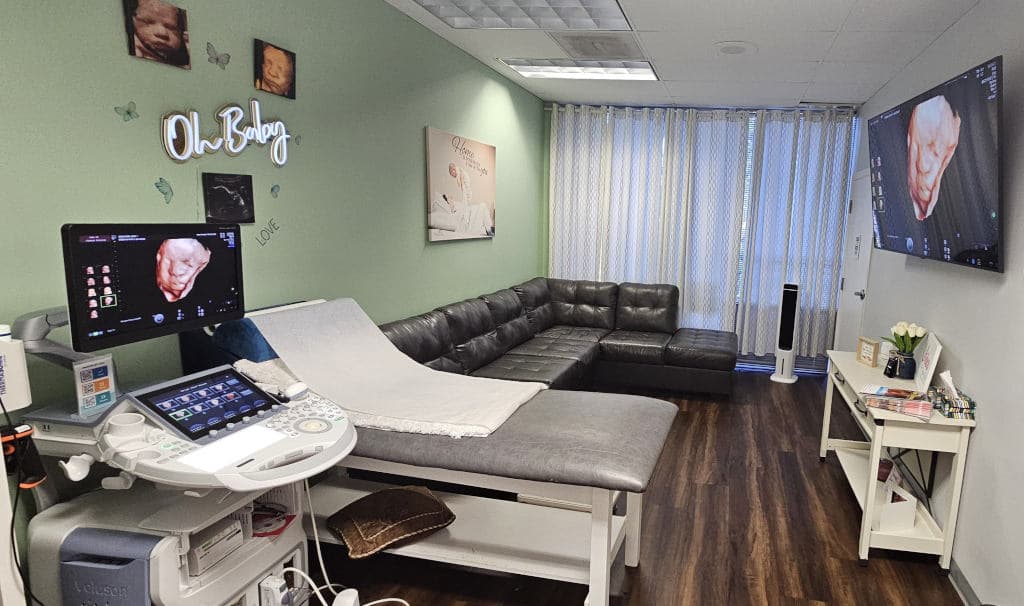
Because the purpose is different, the experience feels different too. Instead of a clinical appointment, an elective session is a relaxed celebration in a comfortable room, with a large screen so your guests can follow along and enjoy every little movement your baby makes.
Common Myths About Elective Ultrasounds
Because the technology looks similar, a few myths come up again and again. Here is how we answer them.
- Myth: an elective session can replace my anatomy scan. Fact: it never can. Elective sessions are for keepsakes and peace of mind only.
- Myth: an elective scan will tell me if everything is okay medically. Fact: elective sessions are non-diagnostic. Health questions belong with your provider.
- Myth: elective ultrasounds are covered by insurance. Fact: they are not covered by Medicaid or insurance.
- Myth: a 3D or HD image always shows a perfect face. Fact: position, fluid and placenta placement all matter, as we explain in myths about seeing your baby's face on ultrasound.
Questions About Ultrasound Safety
Parents sometimes ask us about the safety of ultrasound in general. That is a good question, and the right person to answer it is your OB or midwife, who knows your pregnancy and your history. We encourage every mom to talk with her provider before booking any elective session.
What we can tell you is what our sessions are: elective, keepsake experiences performed with a GE Voluson E10, focused on giving your family a beautiful look at your baby. We are a family-owned studio that has been serving families since 2007, and we are always happy to answer questions about how a session works, what is included and what to expect on the day of your visit. For the bigger picture of beliefs around pregnancy, see our guide to pregnancy myths and facts.
How Elective and Medical Scans Fit Together
Think of your provider's scans as the foundation and elective sessions as an extra moment of joy. Some parents come early for a peek at the heartbeat, some come for gender, and many come in the third trimester to see their baby's face in 5D and HD. Our guide to 2D, 3D, 4D and 5D HD ultrasound differences explains what each type of image looks like.
If you are thinking about finding out boy or girl before your anatomy scan, an early option is a blood test. We cover the common questions in early gender DNA tests: common questions answered.
Choosing an Elective Session That Fits
For an early look, First Peek / Peace of Mind ($59, from 7 to 40 weeks, 2D) is our simplest session. For gender, Gender Reveal ($79, from 15 to 22 weeks, 2D/3D) is the family favorite. For your baby's face, 5D Sneak Peek ($99, from 22+ weeks), Golden Memories ($129, 27+ weeks) and the Mommy Bundle ($169, 27+ weeks) offer detailed 5D and HD images.
You can compare all of our elective ultrasound packages or head to the booking page. There is no deposit, and we ask that you give us at least 24 hours' notice if you need to cancel or reschedule.
Part of our complete guide: Pregnancy Myths and Facts: What Is True and What Is Not
Frequently asked questions
Can an elective ultrasound replace my medical anatomy scan?
No. Elective sessions are keepsake and peace of mind experiences and never replace the medical anatomy scan or your prenatal care.
Will my insurance cover an elective ultrasound?
No. Elective ultrasounds are not covered by Medicaid or insurance.
Is ultrasound safe for my baby?
Please ask your OB or midwife. They know your pregnancy and are the right people to answer safety questions.
Do you diagnose anything during a session?
No. Our sessions are non-diagnostic. Any health question should go to your provider.