
 $169
$169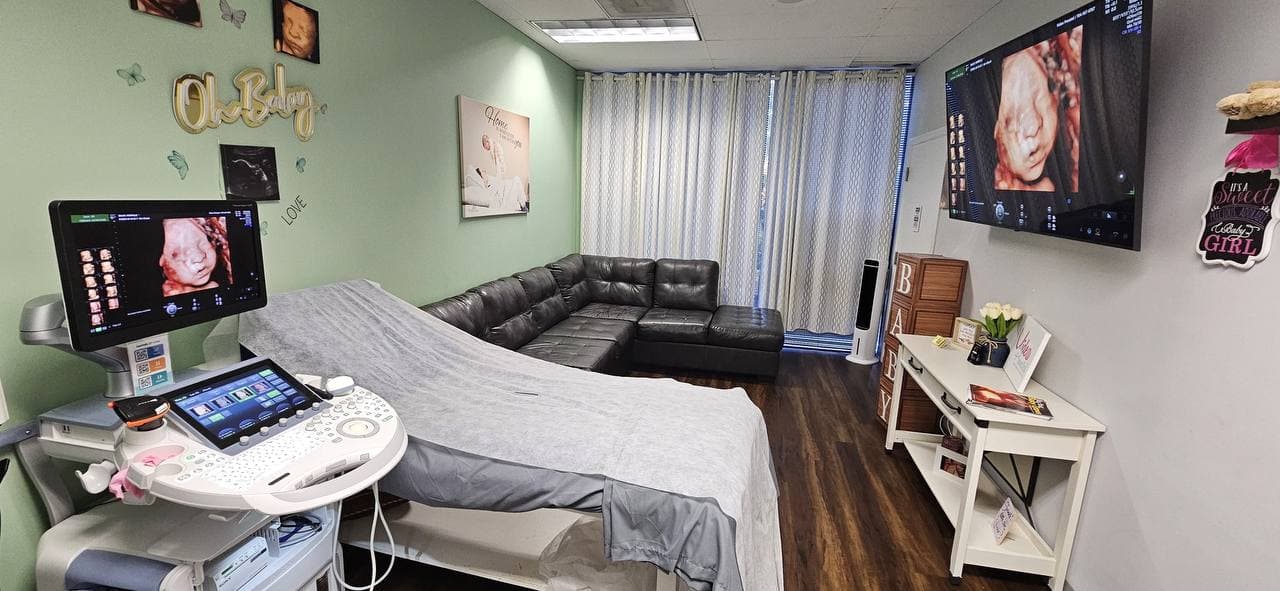 9 min
9 minPregnancy Myths and Facts: What Is True and What Is Not
Pregnancy myths and facts, sorted with care: gender folklore, eating for two, elective vs medical ultrasound, DNA tests and seeing your baby's face.
By the Video Prenatal team · September 3, 2026 · 9 min read
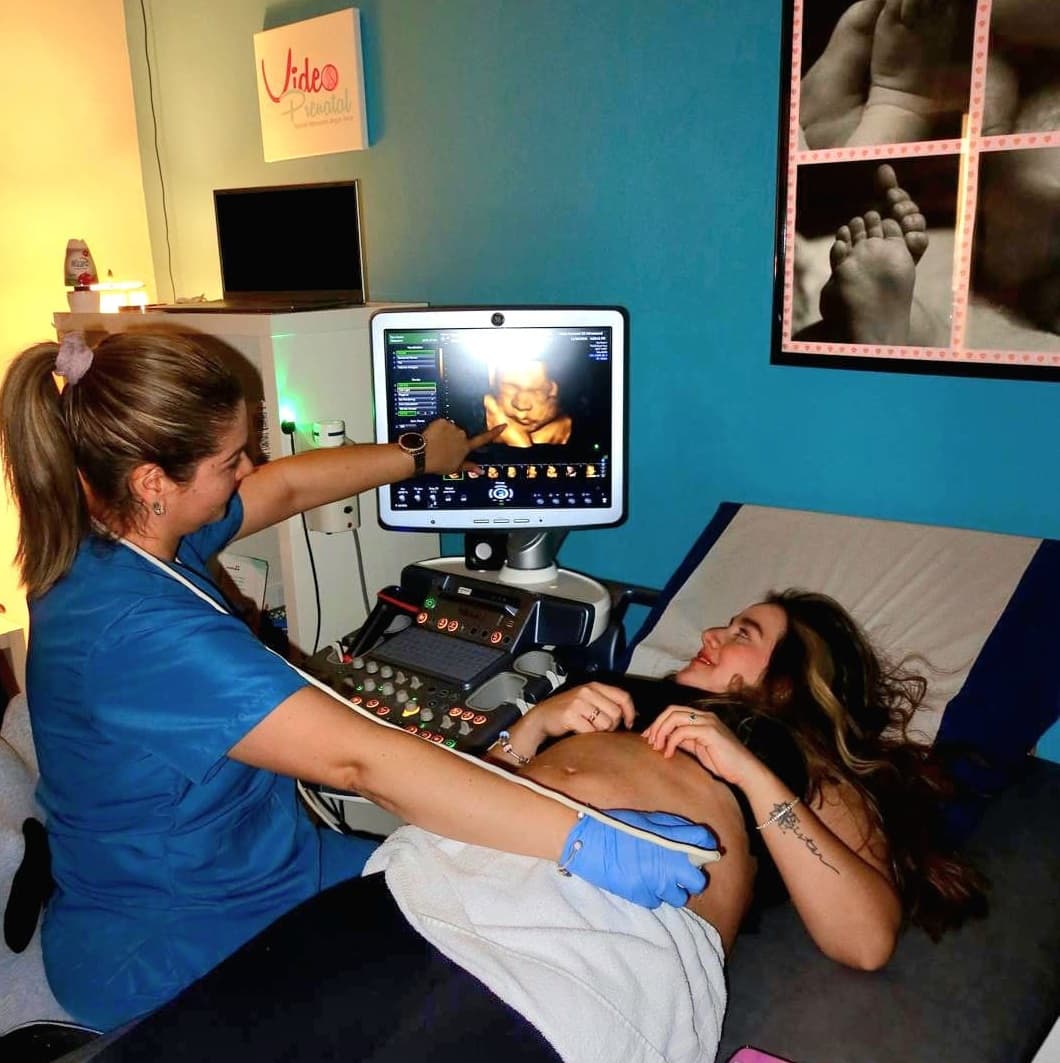
Our ultrasounds are elective, non-diagnostic, and performed solely for keepsake and peace of mind purposes. They are not a substitute for a medical ultrasound from your healthcare provider.
The moment you share your pregnancy news, the advice starts arriving. A coworker is sure your belly shape means a boy. An aunt swears heartburn means a baby with a full head of hair. A friend tells you to start eating for two right away. Some of it is sweet, some of it is confusing, and some of it can leave you worried for no reason.
This guide to pregnancy myths and facts is our calm, honest look at the beliefs we hear most often in our Charlotte studio. We will tell you what is folklore, what is true in general terms, and when the right answer is simply to ask your OB or midwife. Think of it as a friendly map, not a medical textbook.
Why Pregnancy Myths Are Everywhere
Pregnancy has always been a time of waiting and wondering. For generations, families had no way to peek inside, so they read signs in everything they could see: the shape of the belly, the cravings, the glow on mom's face. Those stories were passed down with love, and many of them are still part of baby showers and family dinners today.
The internet made the list longer. A single post can travel to millions of parents in a day, with no one checking whether it is accurate. Mixed in with the fun folklore are claims that sound scientific but are not, and real facts that get twisted as they are repeated.
None of this means you should stop enjoying the traditions. Guessing games are part of the joy. The key is knowing which beliefs are just for fun and which questions deserve a real answer from a professional who knows your pregnancy.
Gender Prediction Myths: Belly Shape, Heartburn and the Ring Test
Gender guessing is the most popular category of pregnancy folklore by far. Carrying high means a girl, carrying low means a boy. Lots of heartburn means lots of hair. A ring on a string swings in a circle or a line over your belly. Craving sweets means a girl, craving salty food means a boy.
There is no scientific evidence that belly shape, heartburn, cravings or the ring test predict your baby's sex. These signs are shaped by many other things, like your body, your muscles, your baby's position and how your digestion changes during pregnancy. Sometimes a guess turns out right, which is exactly why these tales survive, but a lucky guess is not a prediction.
We dig into the most famous one in can your belly shape predict boy or girl, and we round up the rest of the classics in heartburn, cravings and other old wives' tales. Both are a fun read before your next family gathering.
- Belly shape: no scientific evidence it predicts boy or girl.
- Heartburn and hair: no scientific evidence it predicts anything about your baby.
- Cravings: no scientific evidence they point to a boy or a girl.
- Ring or pendulum test: no scientific evidence, just a fun party game.
Nutrition Myths: Is Eating for Two Real?
Few phrases are repeated as often as eating for two. It sounds generous and loving, and it is true that your body is doing extra work to grow a baby. But the idea that you should simply double your meals is a myth. Your nutrition needs change during pregnancy, and they change in ways that are personal to you.
What matters more than quantity is quality, balance and guidance. Your OB or midwife can tell you how your needs may shift from one trimester to the next, which vitamins make sense for you, and what a healthy path looks like for your body. We never give nutrition advice in the studio, and we always send those questions to your provider.
For a friendly overview of where this saying comes from and how to talk about it with your care team, read eating for two: myth or fact.
Ultrasound Myths: Elective vs Medical Scans
One of the most common points of confusion we see is the difference between an elective ultrasound and a medical one. They use similar technology, but they have very different purposes, and it is important to understand both.
A medical ultrasound is ordered by your provider to check on your baby's health and development. The medical anatomy scan, typically done around 18 to 22 weeks, is a key part of prenatal care. An elective ultrasound, like the sessions we offer at Video Prenatal, is a keepsake and peace of mind experience. It is non-diagnostic, it is not a substitute for medical ultrasound, and it is not covered by Medicaid or insurance.
Elective sessions never replace the medical anatomy scan or your regular prenatal visits. They are an addition, a chance to see your baby's face, hear the heartbeat and share the moment with family. If you have questions about ultrasound in general, including safety, your provider is the right person to ask. We explain the difference in detail in elective vs medical ultrasound: clearing up the confusion.
Early Gender DNA Tests: Separating Fact from Rumor
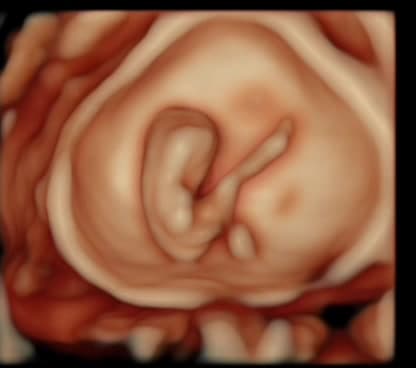
Early gender DNA tests have become very popular, and with popularity come rumors. Some parents believe they need a doctor's order. Others think the test is a long appointment, or that it only works late in pregnancy. The facts are simpler than the rumors.
At our studio, the SneakPeek Gender DNA Test is available from 8 weeks. It is an early gender DNA blood test, the visit takes about 15 minutes, the price is $150 and payment is cash only. Like everything we offer, it is an elective service, and it does not replace any testing your provider recommends.
If you are curious about how the visit works and what to ask before booking, our article on early gender DNA tests: common questions answered walks you through it.
Seeing Your Baby's Face: What Is Myth and What Is Real
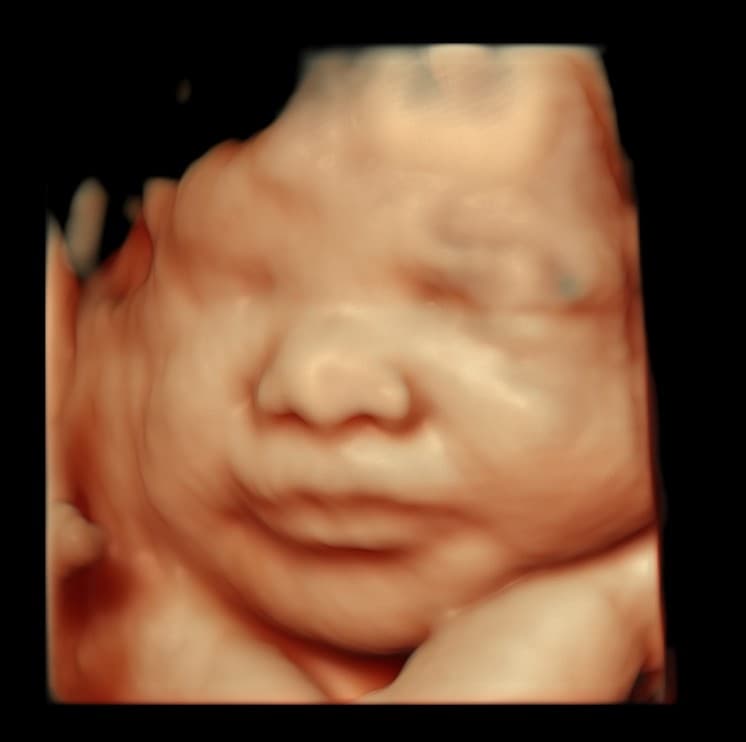
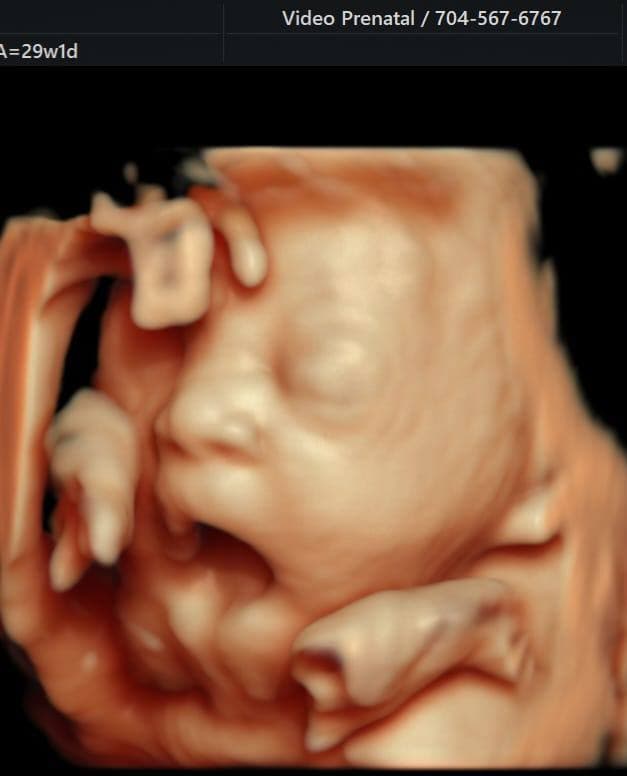
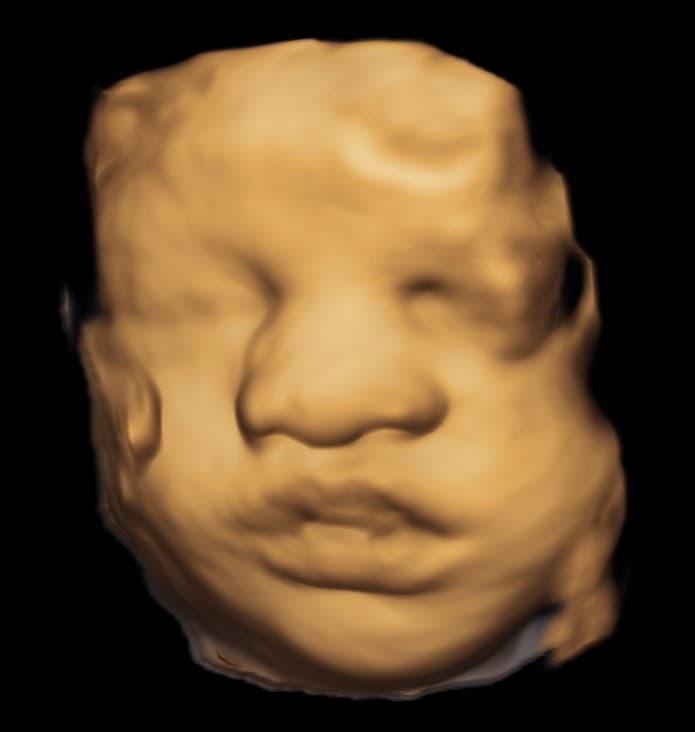
Many parents arrive believing that a 3D or HD ultrasound always shows a perfect face, or that a blurry image means something is wrong. Neither is true. What you see on the screen depends on things like your baby's position, the amount of amniotic fluid in front of the face, and where the placenta sits. Babies also love to cover their faces with hands, feet or the umbilical cord.
Every baby is different, and image quality can never be guaranteed. Our GE Voluson E10 with HDlive Silhouette helps us show beautiful detail, but it cannot change how your baby decides to lie that day. That is also why our re-scan policy exists for some packages, and why it has clear limits.
Another myth we hear often is that a hidden face means the session was a failure. Even when your baby stays shy, you can usually still hear the heartbeat, see little hands and feet, and learn your baby's growth, weeks and due date, depending on the package. And when a baby does turn and show that sweet face, it is a moment families never forget.
We cover the most common face myths, including the one about sugary drinks and wiggling babies, in myths about seeing your baby's face on ultrasound.
How to Check Any Pregnancy Claim
You will keep hearing new tips and warnings for the rest of your pregnancy, and many will come with confidence but no source. A few simple questions can help you decide what to do with each one.
- Is it a fun tradition or a health claim? Traditions can be enjoyed freely. Health claims need a professional opinion.
- Who is saying it? A story from a relative is different from guidance from your OB or midwife.
- Does it promise certainty? Claims that guarantee a result, like knowing your baby's sex from a symptom, are usually folklore.
- Does it affect what you eat, take or do? If so, ask your provider before changing anything.
- Does it make you anxious? Write it down and bring it to your next prenatal visit instead of carrying the worry alone.
Talking About Myths with Family and Friends
Pregnancy myths usually come from the people closest to you, and they are almost always offered with love. A grandmother who predicts a girl from your bump is sharing a piece of her own history. A friend who warns you about something she read online is trying to protect you. Correcting every tale can feel awkward, and it is rarely necessary.
A gentle approach works best. You can enjoy the guessing games, laugh along with the predictions and still keep your real decisions in the hands of your care team. When someone insists on advice that affects your health, a simple reply like I will ask my doctor about that is kind, honest and usually ends the debate.
Many families even turn the myths into part of the celebration. Guests vote on belly shape, heartburn and ring test predictions, then everyone waits for the real answer at a reveal party or during an ultrasound session. If you are planning something like that, our sister category on getting ready for baby has plenty of ideas.
What Is Actually True About Pregnancy
Once the myths are set aside, the facts are wonderful on their own. Pregnancy is commonly divided into three trimesters, each with its own milestones. Babies begin developing hearing during the second trimester, which is why many parents love talking and singing to the belly. And your provider's scans and checkups are the foundation of your baby's care.
If you want a clear picture of what happens at each stage, our pregnancy week by week guide walks you from the first heartbeat all the way to birth, with notes on which elective sessions fit each window.
Finding the Right Session for Your Stage
If you would like a real look at your baby alongside your prenatal care, we are happy to help you choose. In the early weeks, First Peek / Peace of Mind ($59, from 7 to 40 weeks, 2D) lets you hear or see the heartbeat and take home printed pictures. For a boy or girl answer, Gender Reveal ($79, from 15 to 22 weeks, 2D/3D) is the favorite, and the SneakPeek Gender DNA Test ($150, from 8 weeks) is an option for parents who want to know sooner.
Later on, 5D Sneak Peek ($99, from 22+ weeks), Golden Memories ($129, 27+ weeks) and the Mommy Bundle ($169, 27+ weeks) give you detailed 5D and HD images of your baby's face. You can compare everything on our ultrasound packages section, and there is no deposit to book.
Frequently asked questions
Can any old wives' tale predict my baby's sex?
No. There is no scientific evidence that belly shape, heartburn, cravings or the ring test predict boy or girl. They are fun traditions, not predictions.
Does an elective ultrasound replace my anatomy scan?
Never. Elective sessions are keepsake and peace of mind experiences, and they do not replace the medical anatomy scan or any part of your prenatal care.
Who should I ask about nutrition or ultrasound safety?
Your OB or midwife. They know your health history and can give you guidance that fits your pregnancy.
Is a clear view of my baby's face guaranteed?
No. Position, amniotic fluid, placenta placement and little hands in front of the face all play a role, so image quality cannot be guaranteed.